India says it can’t do more to stop Nimisha Priya’s execution in Yemen
Why the Indian government ‘cannot do much’ to save Kerala nurse Nimisha Priya from execution in Yemen
- By Gurmehar --
- Monday, 14 Jul, 2025
The Indian government has told the Supreme Court that it has tried every possible way to help Kerala nurse Nimisha Priya, who is scheduled to be executed in Yemen on July 16. She was convicted of murdering a local businessman in 2017. Now, with only two days left, the government says the situation is no longer under its control.
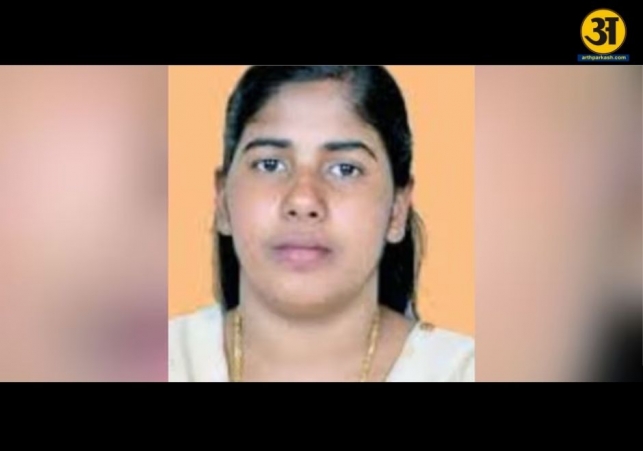
Nimisha Priya, 38, is from Palakkad in Kerala. She was working in Yemen when the crime took place. In 2017, she was arrested for killing her Yemeni business partner in Sana’a, the capital of Yemen. She was later found guilty and sentenced to death.
On Monday, the Indian government’s top lawyer, Attorney General R Venkataramani, informed the Supreme Court that they had exhausted all available options to help her. “There is a point till which the Government of India can go. We have reached that,” he said during the hearing.
The case came before the Supreme Court through a petition filed by a group called the Save Nimisha Priya International Action Council. This citizens' group urged the court to ask the government to take urgent diplomatic steps to stop the execution.
No direct diplomatic links with Yemen’s rulers
The Indian government also explained the difficult situation in Yemen. The country is currently under the control of a rebel group called the Houthis in some regions, including the capital Sana’a. India does not have formal diplomatic relations with the Houthi group, which makes it harder to negotiate or take official steps.
Despite this, the government did not give up. According to the Attorney General, they even contacted an influential local sheikh in Yemen, hoping he could help stop the execution. The sheikh passed on an informal message suggesting the execution might be delayed. However, Indian officials have no confirmation if that will really happen.
“We got an informal communication that the execution would be put in abeyance, but we don’t know if it will work out,” the Attorney General told the court.
He added that nothing has worked so far and every effort has been made, including through backdoor channels.
ALSO READ: Is India’s EV revolution overlooking the looming battery waste crisis?
ALSO READ: Top 6 Tech Innovations Disrupting Traditional Indian Retail
The Supreme Court listened to the arguments and acknowledged the serious nature of the situation. However, it did not issue any strong order, understanding the limits of what the Indian government can do in a country with which it has no official ties.
The case of Nimisha Priya has drawn attention across India, with many calling for urgent action to save her. Supporters argue that there may still be hope if money is paid to the victim’s family as blood money—a practice that can help secure a pardon in some Islamic countries. However, arranging such a payment requires consent from the victim’s family and approval from Yemeni authorities, which is very difficult in the current situation.
Meanwhile, the government has stressed that while it wants to help its citizens abroad, it cannot interfere with the laws of another country, especially one where India has no diplomatic presence or influence.
Nimisha Priya's fate now hangs in the balance. Her supporters continue to hope that some last-minute relief may come, but the government has made it clear that it has done all it possibly could. The final decision lies with the Yemeni authorities.
Related News